The perfect Sussex wine trail shouldn’t be just about wine. It should be about context, and the context of that wine in the place where it is produced. Sometimes that may be just the landscape, but it often also includes the history, heritage and culture of a place.


If at all possible, a really good wine trail should also be accessible by public transport or on foot. Not just because of the obvious disadvantages of having to drive (no tasting for you), but because slowing down and absorbing your surroundings is essential to the process.


© 2026 Lucy Pitts, Sussex Exclusive. All rights reserved.
A Sussex wine trail by train: vineyards, history and culture
This trail is not about squeezing in as many tastings as possible. It is about moving across Sussex from west to east, from Saxons to Norman landscapes, from tidal inlets and lost castles to ancient churches, artists’ villages and some of England’s most distinctive wine country. It does take a little planning. A few of the vineyard stops involve a walk, and one or two are best approached with a taxi in mind, but it’s well worth the effort.
Our Sussex Exclusive Wine Trail itinerary outline
Stop 1: Chichester & Bosham: origins and tides
Rail stop: Chichester → Bosham
Walk: Bosham → Ashling Park Estate (~2.1 miles)

Stop 2: Pulborough (optional)
Rail stop: Pulborough
Options:
- Stopham Vineyard (~1.5 miles from train station)
- Nutbourne Vineyard (~3.4 miles from train station)

Stop 3: Lewes & Ditchling: landscape and ideas
Rail options:
- From Lewes to Southease → Breaky Bottom Vineyard (~2.5 miles from train station)
- Hassocks / Burgess Hill → Ridgeview Wine Estate (~1.9 miles from train station)

Final Stop: Battle: where everything changed
Rail: Battle
Vineyard: Sedlescombe Organic Vineyard (~3.3 miles from train station)

Stop 1: Chichester and Bosham: beginning in Harold’s world
A fitting place to begin this Sussex wine trail by train is with a visit to the historic city of Chichester and Chichester Cathedral before hopping along the train line to Bosham, one of the prettiest and most atmospheric waterside villages in Sussex and a place forever tied to the story of 1066.

Bosham’s connection with Harold Godwinson gives it an almost mythic quality and that sense of history lingers on both in the church and on the shore from where Harold once set off.
From Bosham station, Ashling Park Estate lies around 2.1 miles away (roughly a 45-minute walk). There is a bus stop nearby, although there is no pedestrian footpath, so walkers beware.

Although the Ashling Park estate dates back to 1822, this vineyard offers a thoroughly modern Sussex wine experience: tours, tastings, dining and even vineyard stays and a gin school.
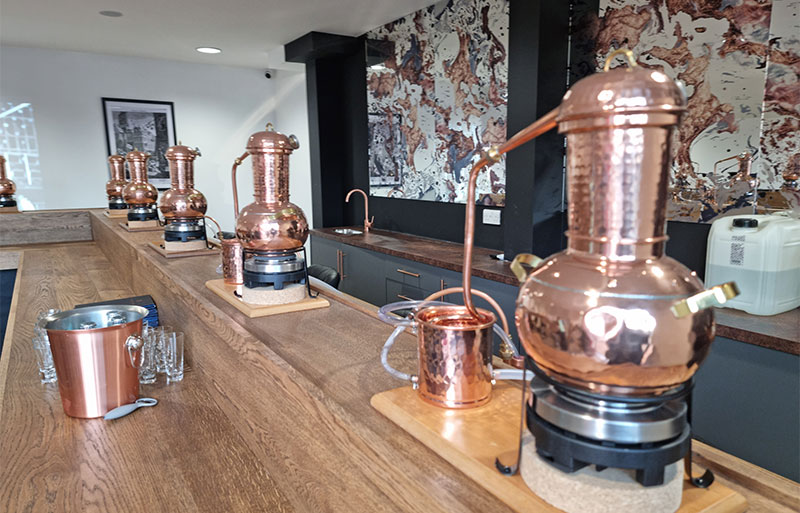
At Ashling Park they produce a number of sparkling wines including their Cuvée, Blanc de Blancs and Rosé. They also produce Chardonnay, Bacchus, a sparkling red and still reds. Their vines, planted in 2018, are in a sheltered position with loam over chalk soil and not far from the sea. They also have vines in nearby Petworth. Their award winning wines are described as having plenty of character and depth and their wine experiences offer a touch of luxury and style.

Pulborough: a quiet detour into medieval Sussex
The next stop on this Sussex vineyard trail is a little off the beaten track but none the less appealing. Pulborough does not announce itself in the way that Lewes or Battle do, but is still rich in local history.

There was once a Norman castle here, now lost (although if you know where to look, you can still find the mound where it once stood in the woods).

For wine, Pulborough offers two nearby options:
- Stopham Vineyard (the more accessible option from the station)
- Nutbourne Vineyard (slightly further, best paired with a taxi)
At Stopham Vineyard they offer vineyard and winery tours and wine tasting with an optional lunch. Their white wines are based on their Pinot Gris, Pinot Blanc, Auxerrois and Bacchus grape varieties and whilst they mainly produce still white wines, they also produce a sparkling wine. Sustainability is central to what they do and their winery is in a gorgeous Grade II listed barn.

Nutbourne Vineyard describe themselves a “grape-to-glass, single estate vineyard” and they produce a range of still and sparkling wines in their own winery from eight different grape varieties. The range includes a Bacchus and Pinot Noir and the names of their wines are clearly inspired by their suroundings: Hedgerow, Forager and Nutty.

Set around an old windmill, here you slow right down. Their cellar door is open all year and you can walk around the vines, enjoy their wine by the glass or try their wine flights with notes to accompany the wines and platters of savouries to share. They also offer more formal tours and tastings at the weekend.

If you do stop longer in Pulborough, it is worth stepping beyond the vineyard. St Botolph’s Church, Hardham contains some of the most remarkable medieval wall paintings in Sussex, dating from around 1100.

Lewes, Southease and Ditchling: where wine meets ideas
From Pulborough, you can choose one of two trail options. Lewes and its surrounding villages are the cultural and intellectual heart of this Sussex wine route.

The town is and always has been, bursting with history, debate and personality. With its impressive Norman castle, priory ruins, independent shops and a quietly rebellious spirit: there is always a good reason to visit.

The beautifully named Breaky Bottom Vineyard have visits by appointment only to buy and collect wine and the vineyard sits about 1.5 miles from the station, reached via a track across the South Downs.

Breaky Bottom was one of the original and pioneering Sussex vineyards, first established back in 1974. Famed for still Loire-style wines from Seyval Blanc grapes, they also now produce Chardonnay, Pinot Noir and Pinot Meunier and make two cuvées each year.

Whilst you may not be able to do a vineyard tour of Breaky Bottom, nearby Rodmell was once the home of Virginia Woolf and you can visit her home, now a National Trust property. Then head back to Lewes to enjoy your Breaky Bottom bootie.

The second option is to head towards Ditchling via Hassocks or Burgess Hill, where vineyards include the Ridgeview Wine Estate.

Ditchling adds a different dimension to the trail. This is not just vineyard country, but a place long associated with artists and makers. The village was once home to The Guild of St Joseph and St Dominic. Founded in 1920–1921 by Eric Gill, Hilary Pepler, and Desmond Chute, this was a unique Arts and Crafts movement experiment focusing on self-sufficiency, uniting faith, daily life, and work.

Ditchling was also held as a Royal Manor by King Alfred the Great (871–899) and an important Saxon settlement.

Ridgeview Wine Estate is another of the early pioneers of the Sussex wine scene having been planted in 1995. They make a range of award winning wines centred around their sparkling signature wines (which also include a red sparkling wine). They offer tours and tastings, have a wine bar and shop and a restaurant set against the vines.

Battle: ending where it began
The final stop on this Sussex wine trail by train is Battle. It is not the simplest part of the journey, usually requiring a change via Haywards Heath, if you are travelling from Burgess Hill. From Lewes, you will normally need to change trains at St Leonards Warrior Square.
You began in Bosham, in Harold’s world. You end in Battle, at the site of the Battle of Hastings, where Sussex and England were irrevocably changed. Allow a little time to explore Battle and Battle Abbey before heading to the final vineyard.

Nearby, Sedlescombe Organic Vineyard offers the final vineyard stop. Around 3.3 miles from Battle station, it is best reached by taxi or a longer walk. As one of England’s first organic vineyards, it feels like a fitting place to end.

Established in 1979, they produce award-winning range comprising of white, rosé, red and sparkling wines – all certified organic or biodynamic. They host tours and tastings and have a gorgeous café and tasting rooms where you can enjoy wine and charcuterie boards.

Practical tips for your Sussex wine trail by train
- Always check vineyard opening times and booking requirements in advance
- Be prepared for short walks or pre-booked taxis from stations
- Split the route over three or four days for the best experience
If you have enjoyed this Sussex wine trail, you may also like:


